No products in the cart.








User Management
Smart management for every user role.
Feedback
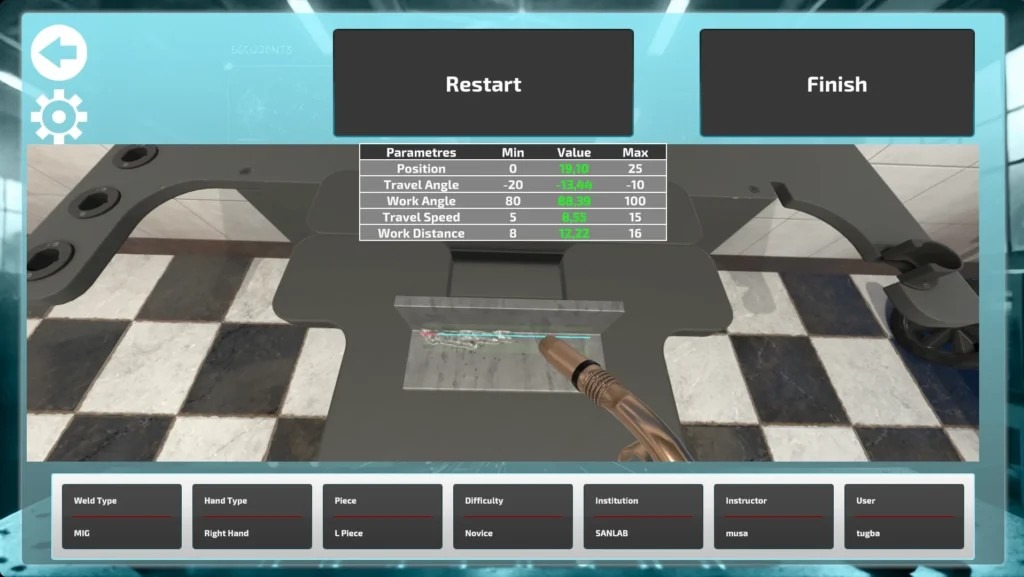
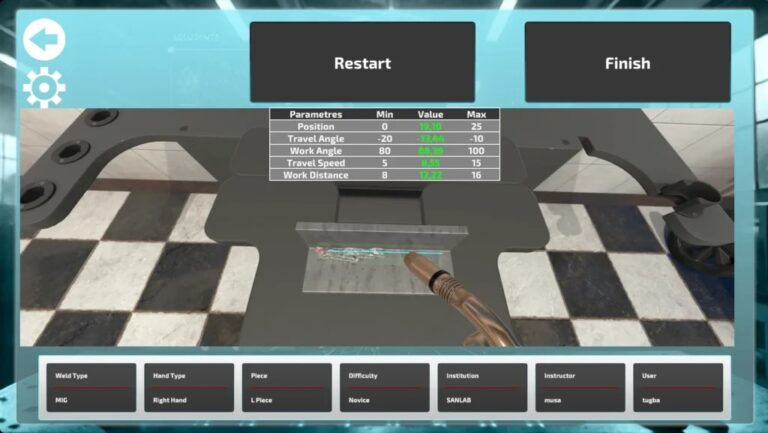
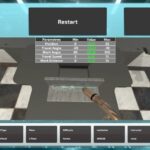
Penetration, porosity and spatter feedback.
Reports
Progress & analytics export.
Weld Scenarios
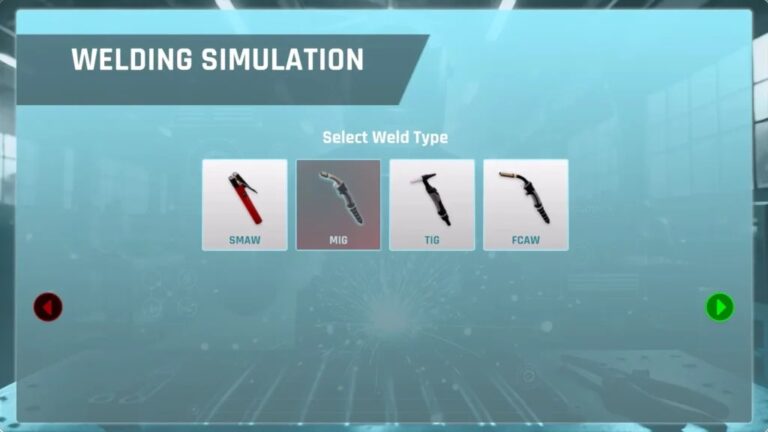
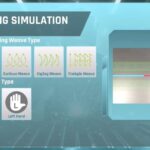
4 different weld types positions.
Language
Multi-language interface.
Technical Specifications
1. Supported Welding Processes
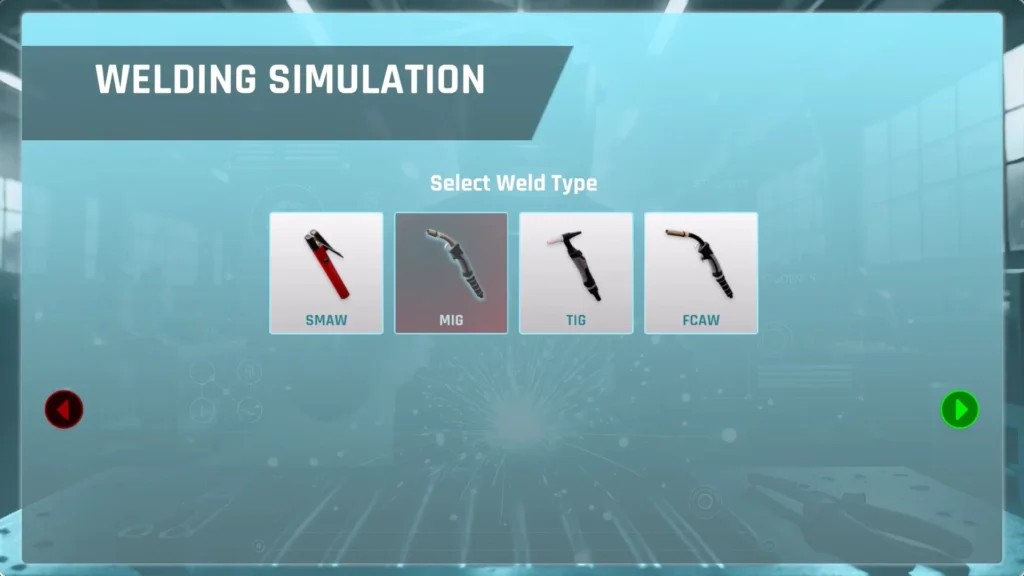
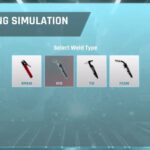
• The system supports four primary welding processes: SMAW (Shielded Metal Arc Welding), MIG/MAG (Metal Inert/Active Gas Welding), TIG (Tungsten Inert Gas Welding), and FCAW (Flux-Cored Arc Welding). These are selectable within the simulation environment and supported by corresponding physical torches.
2. Hardware Components
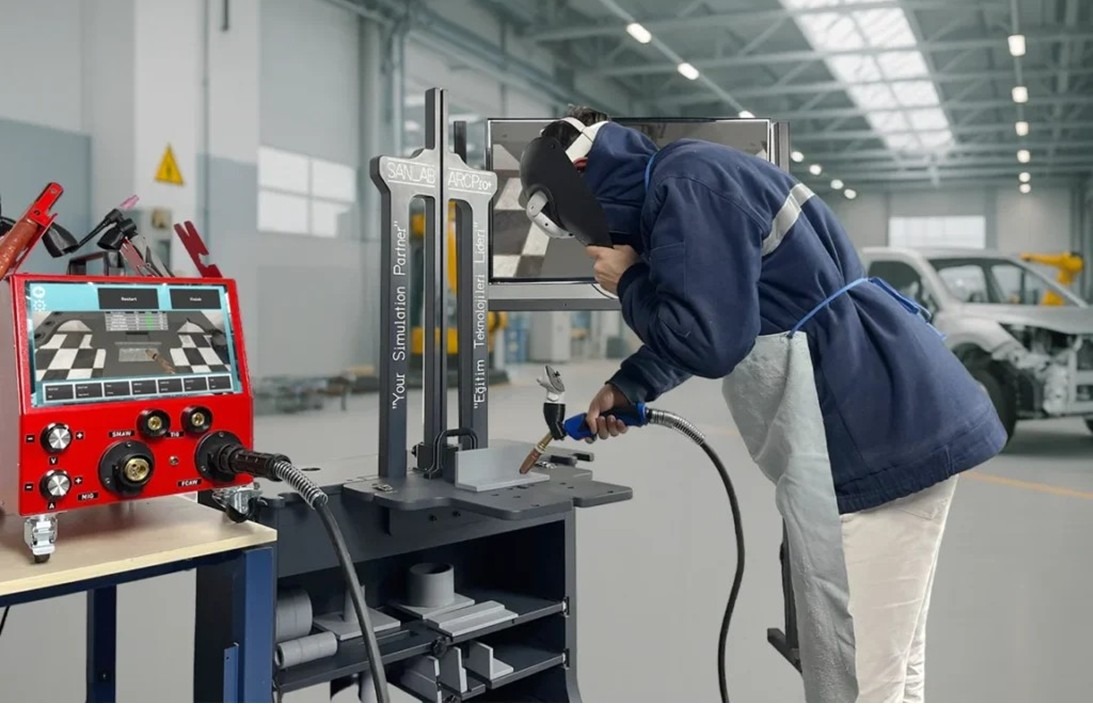
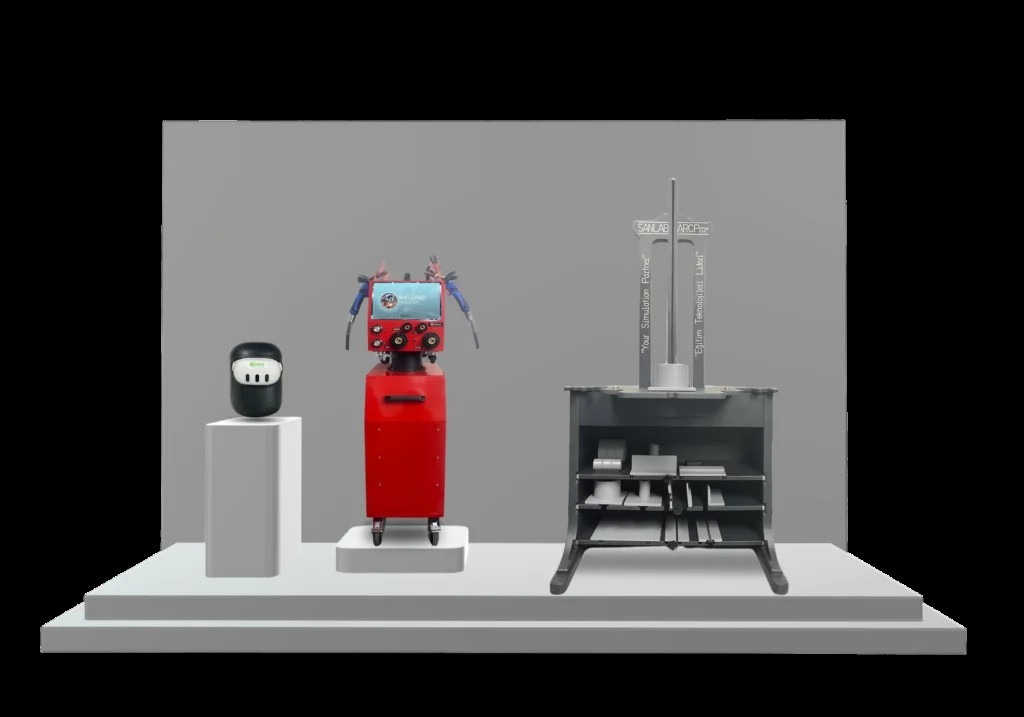
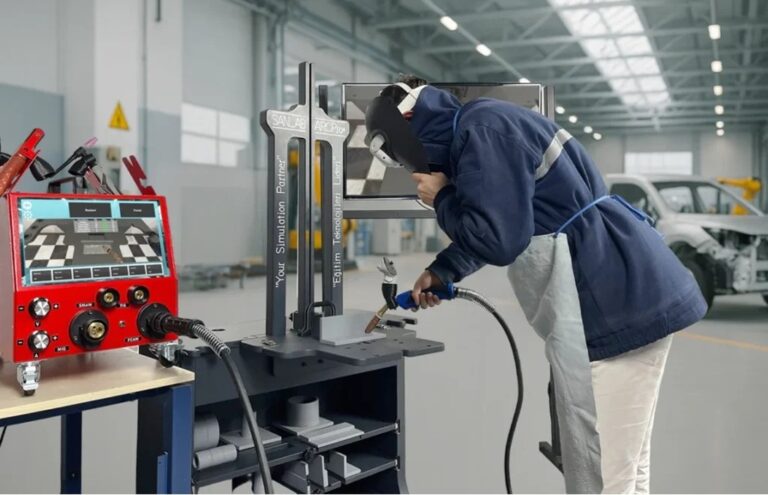
• The hardware package includes a central control unit responsible for power and system connectivity.
• The welding mask features integrated AR/VR technology and provides a full field of view for realistic simulation.
• Realistic welding torches are included for all supported welding types, offering authentic hand positioning and feel.
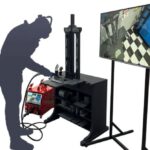
• The workstation is compact, stable, and features adjustable workpieces to simulate different welding angles and tasks.
• Integrated sensors accurately track torch position, angle, movement speed, and distance in real time.
• An external instructor display allows for real-time monitoring and control of training sessions.
• Optional components such as a report printer and LMS integration module are available for extended functionality.
3. Software Features
• The simulation engine provides real-time feedback on welding parameters such as penetration depth, porosity, and spatter.
• A role-based user management system enables institutions to organize training through defined access levels (institution, instructor, student).
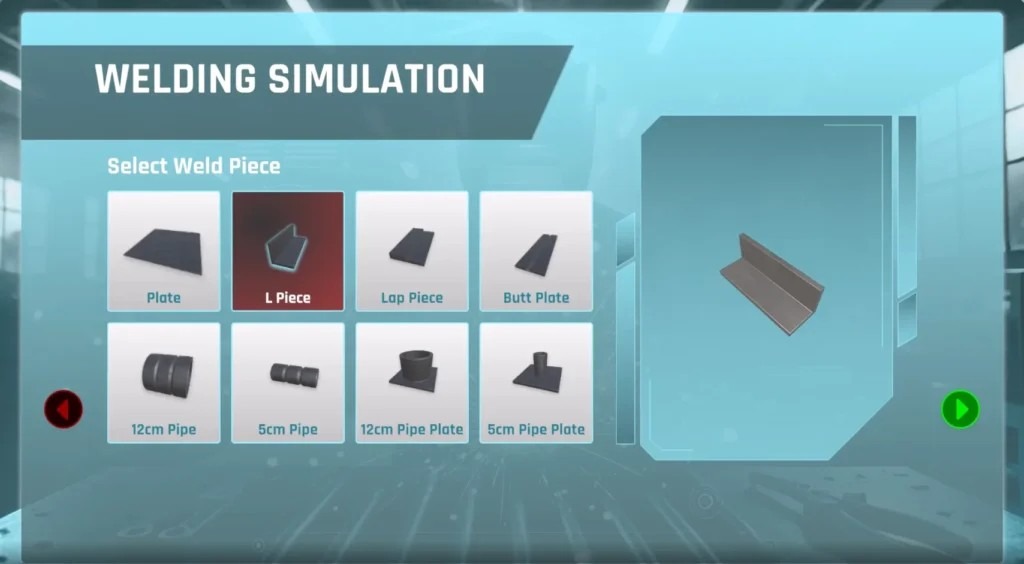
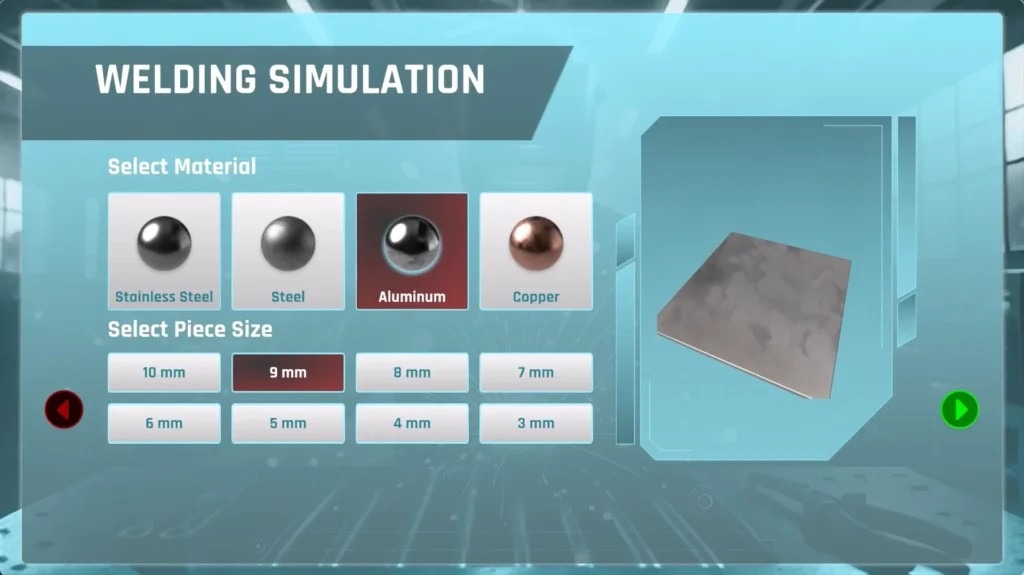
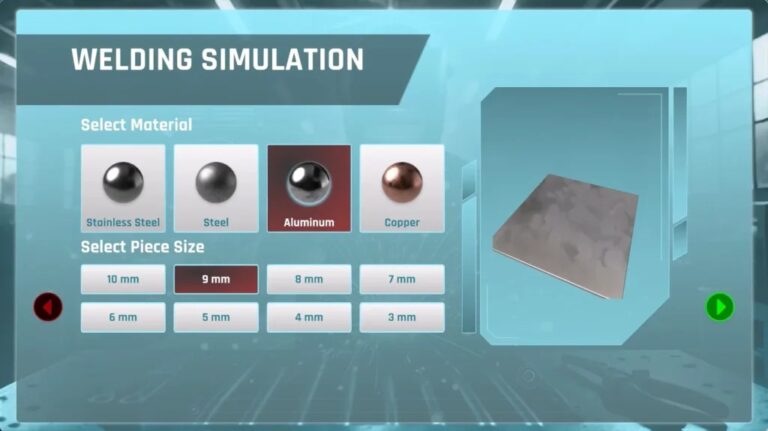
• The scenario library includes process-specific tasks categorized by joint type, welding position, and difficulty level.
• Progress data is tracked and can be exported as detailed performance reports for evaluation.
• The software supports a multi-language interface, allowing institutions in different regions to operate in their native language.
4. System Requirements and Deployment
• The simulator is delivered in a compact, classroom-ready configuration and is easy to set up and relocate.
• The system operates without the need for consumables such as gas, electrodes, or filler material, allowing unlimited safe practice.
• Standard power requirement: 220–240V AC.
• Recommended ambient temperature for operation is between 10°C and 35°C.
• Intended for indoor use in controlled training environments.