No products in the cart.

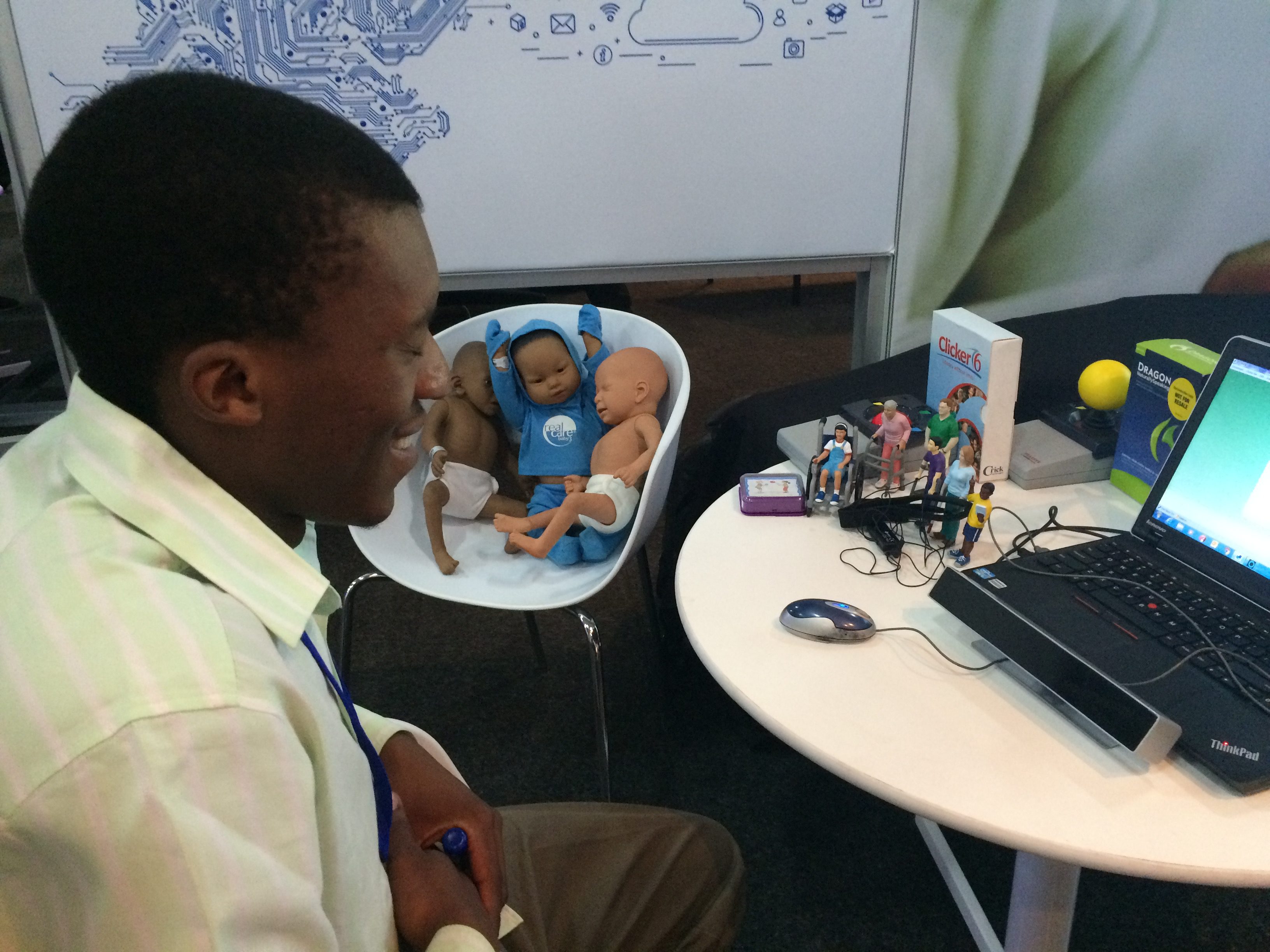
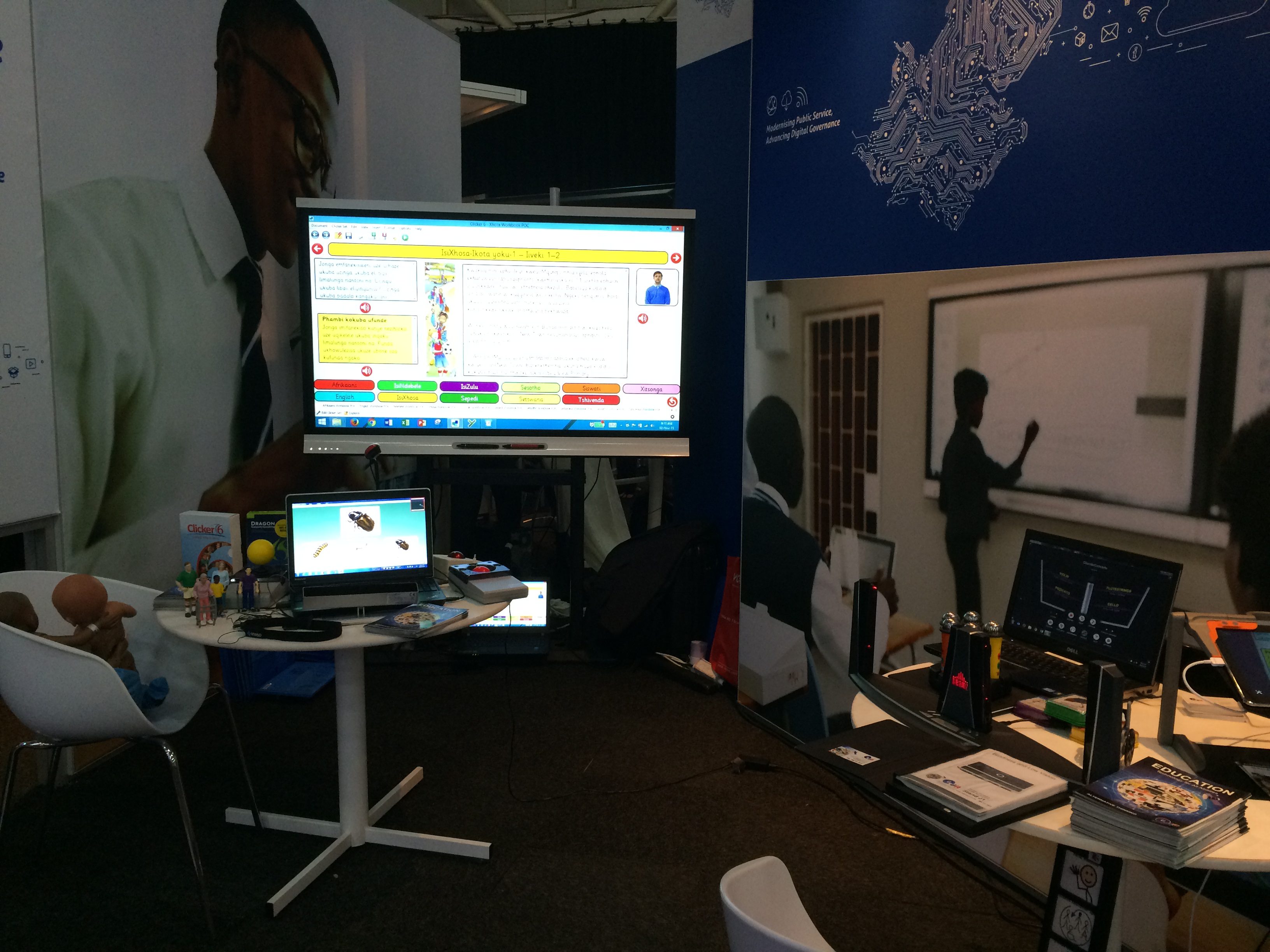
Edit Microsystems were privileged to be invited to exhibit on the e-Gov booth at the recent Gauteng eGovernment Summit. We spent a busy few days participating in the Gauteng e-Gov Summit where we displayed the ‘Inclusive Classroom of the Future’. This learning environment would enable learners of all abilities to access quality education through assistive technology. We were honoured to show a wide spectrum of assistive devices to a range of ministers, officials and government delegates from various government departments who were seeking alternative solutions to enable them to cater for individuals of all abilities, including blind and low vision.
The Inclusive Paperless Classroom
One of the successes of the exhibit was showcasing how assistive technology can make the paperless classroom a reality for learners of all abilities. Through the use of assistive devices we can begin to bridge the digital divide for learners with special needs in an attempt to ensure that no child is left behind in our education system.
The inclusive classroom of the future that Edit Microsystems displayed also looked at how learners who come from a classroom environment where assistive devices are being used, can be employed in a variety of roles within any government department.
Blind and Low Vision
We were excited to showcase the latest innovation for individuals with low vision, the Prodigi Connect 12, which is an integrated portable magnifier that is easy to carry around. In addition to the Prodigi we also demonstrated the Braillenote Apex computer for the blind that gives learners access to digital learning and teaching support materials as well as the internet in instant, refreshable braille. Other assistive devices included talking classroom equipment, the Eyepal Solo and screen reading and magnification software.
Literacy for All Ages, All Abilities, and All Languages
Part of ensuring that no learner is left behind is making sure that every child, regardless of ability, who comes through the education system is literate. In South Africa this presents a unique challenge as the language of learning and teaching and a child’s home language often differ. Motivated by this unique educational situation, Edit Microsystems showed how Clicker 6 can be used to develop literacy in all 11 South African languages.
Learners were thrilled to experience an example of a lesson designed with inclusivity in mind. Edit Microsystems showcased our “proof of concept” Inclusive Clicker Workbook – using the DBE CAPS Workbooks, enabled to support all languages. While reading a story, learners could switch between the 11 official languages and read the same story in any language, and even listen to a voice recording of someone reading out the story.

Dyslexia and Dyscalculia
Edit Microsystems displayed various assistive technology for barriers to learning, including dyslexia and related reading difficulties, as well as dyscalculia and poor maths performers. The inclusive classroom of the future envisions a space that is equipped with software such as Clicker literacy for all abilities and languages, Read&Write dyslexia software and Dynamo maths which will support learners who struggle with literacy and numeracy.
Physical Disabilities including Cerebral Palsy
We were excited to have some volunteers try out our eye gaze system where individuals can access a computer using their eyes. This makes computer accessibility a reality for individuals with severe physical disabilities. Other access devices that were displayed as options for the inclusive classroom were the Integra Mouse, Enpathia and a variety of different switches.
Other areas of inclusion that Edit Microsystems showcased in the Inclusive Classroom of the future were augmentative and alternative communication (AAC), deaf and hearing impaired, autism and intellectual disabilities.